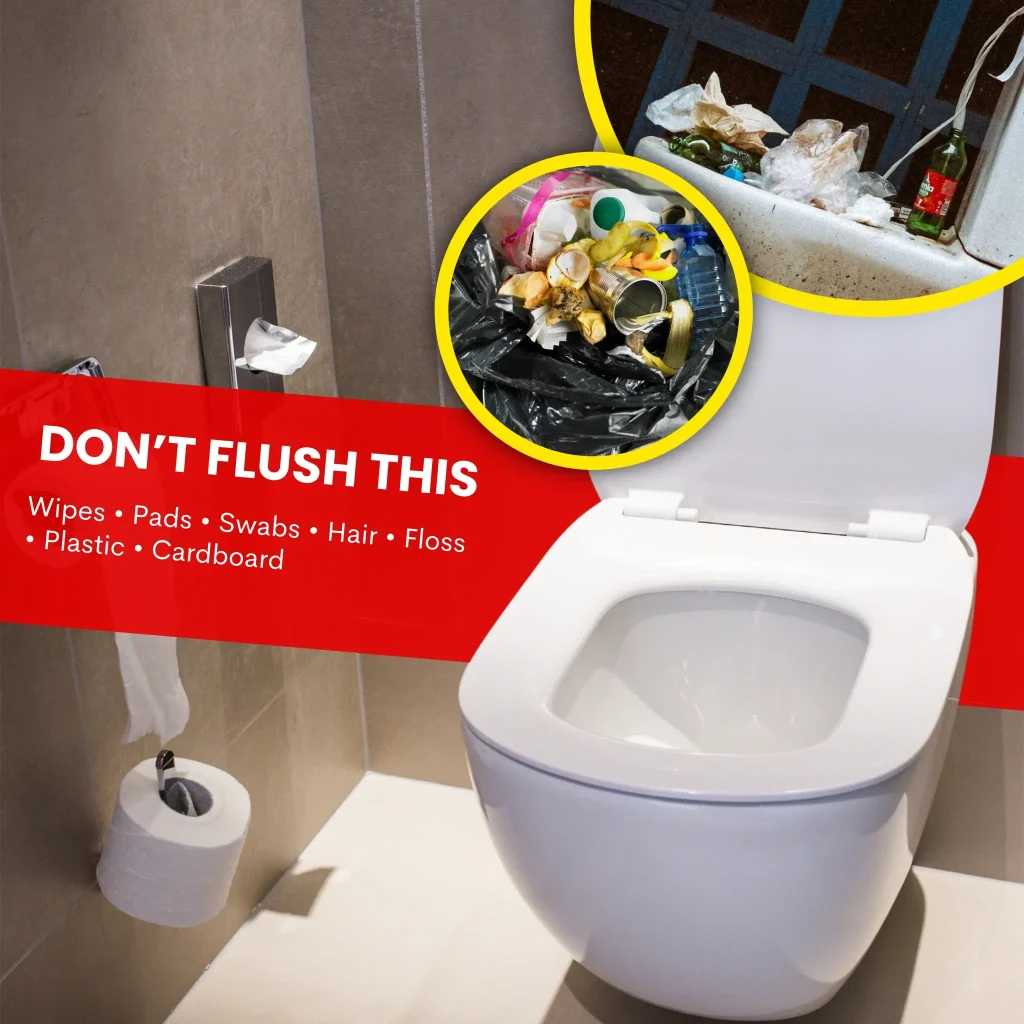
Let’s talk about one of the most unpleasant plumbing emergencies: a sewer backup. In a city with some of the oldest sewer infrastructure in the country, this is a real risk for homeowners. The good news? It’s often preventable with some know-how and careful habits.
The main villain in most backups is what we put down our drains. Your home’s sewer line is only so wide, and it has to handle everything from every drain in your house. The number one rule? There’s no such thing as a “flushable” wipe. These wipes do not break down like toilet paper. They clump together with grease and other debris to form massive, rock-solid blockages called “fatbergs” in the city’s main lines, which can then send sewage back into your home. Never flush them. Ever.
Beyond wipes, be very careful with what goes down your kitchen sink. Cooking grease and oils might be liquid when hot, but they solidify inside your pipes, coating the walls and catching everything else. Scrape grease into your compost or trash, never the drain. Also, avoid using your garbage disposal as a trash can. Fibrous foods like celery husks, coffee grounds, and eggshells can quickly accumulate and create a thick sludge.
What are the warning signs? If you notice multiple drains in your home (like a toilet and a shower) are gurgling or draining slowly at the same time, that’s a major red flag. You might hear bubbles in your toilets when you run the washing machine, or smell foul odors coming from your drains. These are signs of a blockage building up in your main sewer line.
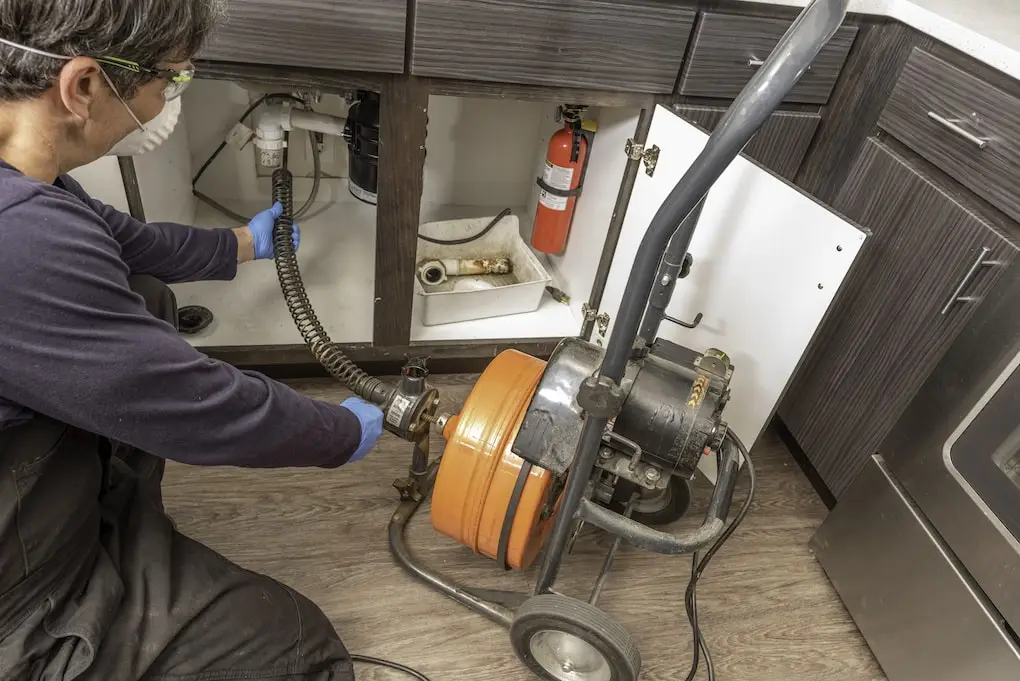
If you suspect a problem, stop using all water in the house immediately to avoid making it worse. For slow drains, a plunger might help temporarily, but a main line blockage needs professional equipment. At Starboy Plumbing, we use motorized drain snakes and video inspection cameras to locate the exact point of the clog, clear it completely, and even show you the condition of your pipes. A little prevention and paying attention to the signs can save you from a truly disastrous cleanup.